The most beautiful Gothic edifice overlooking the Gran Canal, a patrician XV century residence, was brought back to its ancient magnificence at the beginning of the XX century by Baron Giorgio...




The most beautiful Gothic edifice overlooking the Gran Canal, a patrician XV century residence, was brought back to its ancient magnificence at the beginning of the XX century by Baron Giorgio...
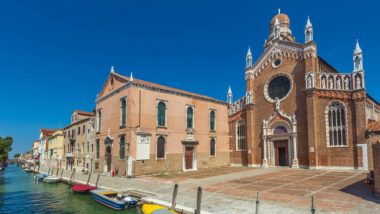
Despite the changes of the 19th century this district is pure Venice. Here the first Ghetto was established, but it was also an area where merchants from everywhere imaginable made their homes, the...
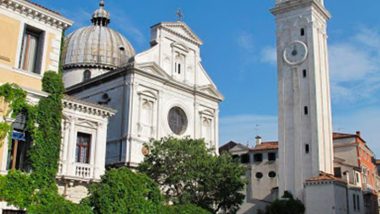
Venice always maintained strong commercial relations with these peoples, and they have left their mark on the city in those areas where they settled; important testimony to their cultures are to be...
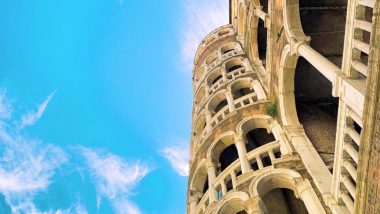
This district is the vibrant heart of the city, and a stroll through the Piazza and on amongst the campi, alleys, underpasses, stairways and theatres to the Rialto, the economic heart of the city...
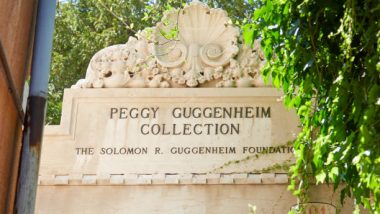
In 1949 the collector of modern American art, Peggy Guggenheim, acquired a palazzo on the Grand Canal which became her home for 30 years. It is now the most important museum in Italy of American and...
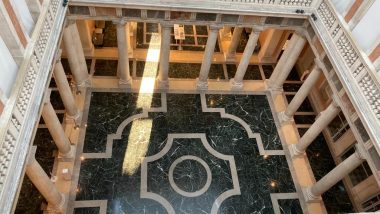
Facing onto the Grand Canal, this palazzo was acquired in 2005 by François Pinault and completely restored in a minimalistic style by the Japanese architect Tadao Ando. The palazzo thus became an...

The statue, that welcomes us as soon as we land on the island, is that of the Abbot Mechitar, who settled there in 1717 with his small religious community. Since then the island has been the...
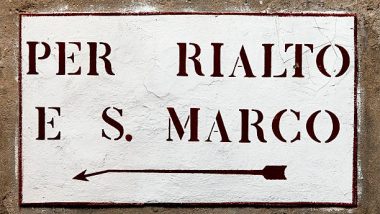
In a thousand years of history Piazza San Marco has always represented the political, social and religious heart of the Republic. Leaving the Basilica of Saint Mark, the Palazzo Ducale, the Libreria...

An imposing baroque edifice overlooking the Gran Canal. It was begun by the Bon family on a project by Longhena in 1667 and it was completed a century later by the Rezzonico family on a project by...